
Table of Contents
- Introduction to Collaborative Workspaces
- Benefits of Collaborative Office Spaces
- Trends in Workspace Design
- The Role of Technology Integration
- Sustainability in Modern Workspaces
- Conclusion
Introduction to Collaborative Workspaces
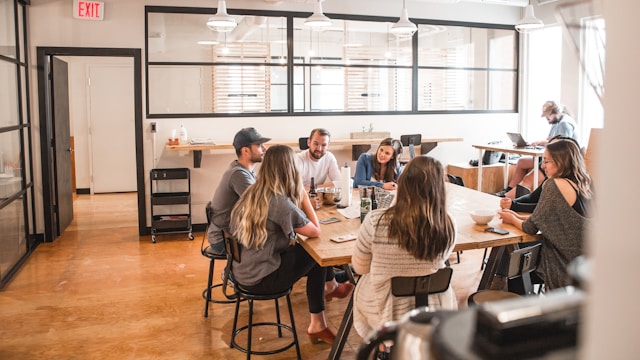
The concept of collaborative workspaces is revolutionizing the traditional office environment, shifting from closed cubicles to open, flexible designs. These spaces foster innovation, teamwork, and productivity by emphasizing flexibility and open design. It’s noteworthy that businesses increasingly prefer to rent office space that embodies these collaborative traits, enhancing overall business operations and employee satisfaction.
Factors such as rising demands for remote work options and shifting towards coworking models catalyze this change. Companies are realizing that updating to modern workspaces is not just beneficial but essential to staying competitive. The demand for more dynamic and adaptable office layouts is growing, aligning with the evolving nature of work in the 21st century.
Benefits of Collaborative Office Spaces
Collaborative office spaces offer a myriad of benefits that go beyond aesthetics. First and foremost, they boost creativity by providing an environment conducive to brainstorming and out-of-the-box thinking. Furthermore, meeting space rentals promote cost efficiency, as shared amenities reduce overhead expenses. The shared resources model can attract startups and small businesses, allowing them to access premium facilities without the hefty price tag.
Studies have consistently shown a positive correlation between workspace design and employee morale. A survey by the World Economic Forum highlighted that well-designed office spaces significantly impact productivity and work-life balance. Employees flourish in places where they are both comfortable and motivated. Furthermore, collaborative spaces improve communication and teamwork by breaking down silos and cultivating an environment of transparency and mutual support.
Trends in Workspace Design
The design of modern workspaces is rapidly evolving to accommodate the shifting needs of today’s workforce. One prominent trend is the adoption of flexible layouts that can be easily reconfigured. This allows businesses to quickly adapt to changing team sizes and project scopes. Companies are also investing in multifunctional furniture and modular components that can be rearranged effortlessly to suit various needs.
Another trend is integrating ergonomic furniture, which helps reduce strain and injury, promoting better employee health and productivity. Additionally, biophilic design elements—such as plants and natural light—are increasingly used to create a more inviting and inspiring atmosphere. These elements have been shown to enhance well-being and reduce stress, making the workspace a more pleasant and productive environment for everyone.
The Role of Technology Integration
Technology is the backbone of modern collaborative workspaces. The right technology can significantly optimize operations, from high-speed internet and advanced communication tools to smart office solutions. Integration of these solutions often results in improved efficiency and streamlined workflows. For example, having seamless video conferencing capabilities can enhance remote collaboration, while project management software can keep teams aligned and on track.
As highlighted in a TechRadar article, future workspaces are expected to further leverage technologies like artificial intelligence and the Internet of Things (IoT) to enhance employee experiences and operational efficiency. These advancements are not just supplementary but foundational to modern workspace design. From automated lighting and temperature control systems to smart desks that adjust to individual preferences, technological integration is revolutionizing the daily work experience.
Sustainability in Modern Workspaces
Sustainability is a burgeoning priority in office design. Businesses are increasingly adopting green building practices to benefit the environment and demonstrate corporate responsibility. Using sustainable materials and energy-efficient systems helps reduce a workspace’s carbon footprint. Moreover, sustainable buildings often have lower operating costs thanks to their energy efficiency and reduced waste.
Moreover, sustainable practices can significantly enhance employee well-being. Natural light, improved air quality, and incorporating green spaces have been shown to reduce stress and increase overall satisfaction, making sustainability a win-win for businesses and their employees. Implementing sustainability initiatives can also boost a company’s brand image, showcasing its commitment to environmental stewardship and social responsibility.
Conclusion
Collaborative workspaces represent the future of business environments. By embracing flexible design, technology integration, and sustainability trends, companies can create spaces that look good and enhance productivity and employee satisfaction. Staying informed about these developments allows businesses to remain competitive and foster continuous growth. A well-designed, innovative workspace can be a powerful tool for attracting and retaining top talent, fostering creativity, and driving business success.


